 ™
™Why Is My Dog's Waste a Health Hazard? What Every Pet Owner Needs to Know
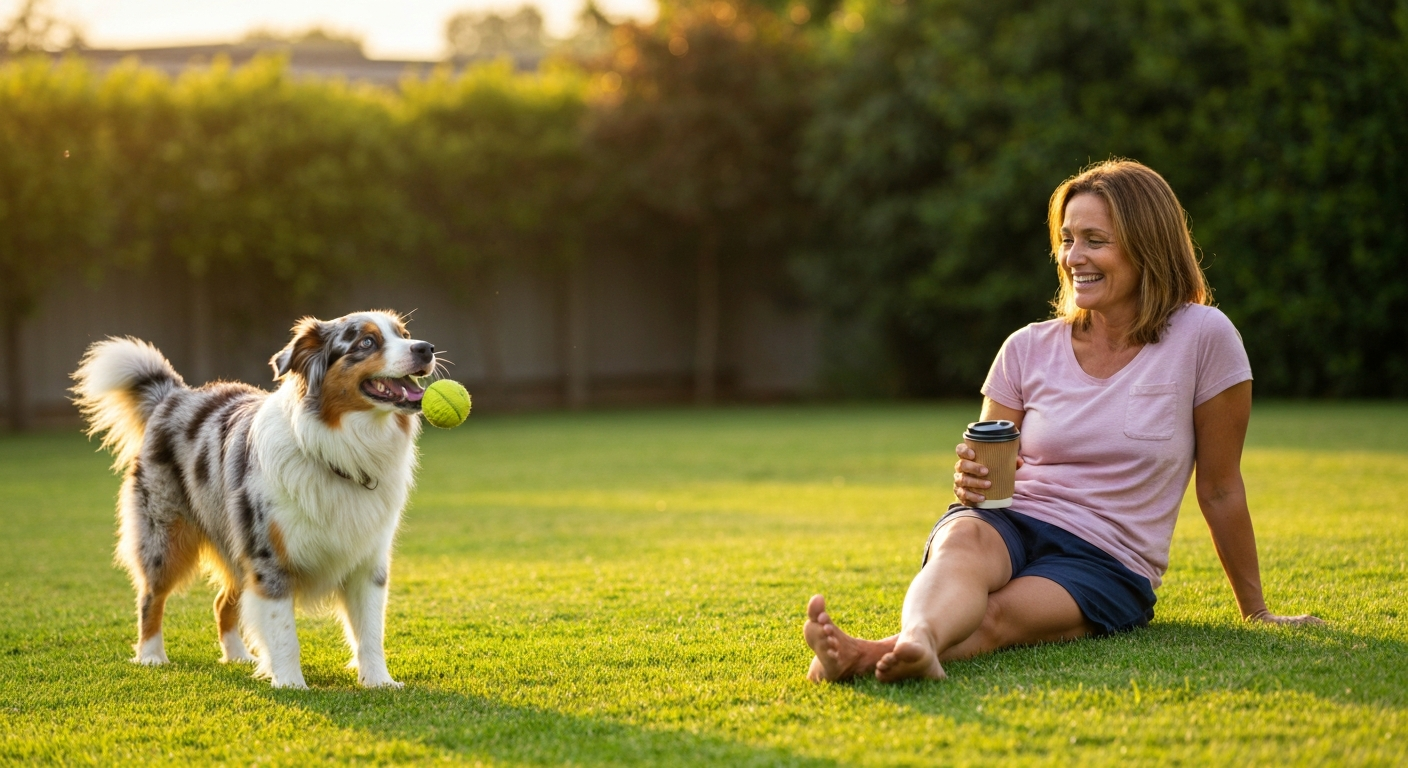
Picture this: It's a gorgeous Saturday afternoon, your kids are running barefoot through the sprinklers, and you're finally enjoying that backyard oasis you've worked so hard on. But hidden in the grass is a landmine that can ruin the weekend. The truth is, a dog waste health hazard isn't just an unpleasant smell or a ruined pair of shoes—it's a genuine risk to your family's wellbeing.
Many pet owners assume that what comes from nature simply returns to nature. Unfortunately, dog poop doesn't work like cow manure. Because of their protein-rich diets, our furry best friends leave behind waste that is highly acidic and packed with bacteria. If left unchecked, it doesn't just sit there; it seeps into the soil, contaminates the grass, and tracks right into your kitchen.
In this guide, we're skipping the fluff and getting straight to the facts. You'll learn exactly why leaving waste in the yard is a bad idea, what's actually lurking in it, who is most vulnerable, and how quickly it becomes a problem. Most importantly, we'll show you how to get your yard clean and safe again without lifting a finger.
In This Article
What Makes Dog Waste Actually Dangerous
Let's clear the air: dog poop is not fertilizer. While cow and horse manure can help your garden grow, your dog's waste does the exact opposite. Because dogs are omnivores with high-protein diets, their waste is highly acidic. That's why you see those dead, yellow patches on your otherwise perfect lawn.
But the real danger isn't to your grass—it's what you can't see. Dog waste is classified by the EPA as a dangerous pollutant, putting it in the same category as toxic chemicals and oil spills. It's loaded with billions of bacteria, parasites, and viruses that don't just magically disappear when the poop dries up. They seep into the soil and can linger for months, or even years. And no, the rain doesn't wash it away; it just spreads the contamination across your yard and into local waterways. Honestly, the only thing "natural" about leaving it in the yard is how naturally it ruins your weekend.
| Common Assumption | The Reality |
|---|---|
| "It acts like fertilizer for my lawn." | It's highly acidic and actively burns and kills your grass. |
| "It breaks down fast and disappears." | The waste might wash away, but the parasites and bacteria remain in the soil for years. |
| "My dog is small, so the risk is low." | Even a single gram of dog waste contains over 23 million fecal coliform bacteria. Size doesn't matter. |
| "The rain will just wash it away." | Rain spreads the pathogens across your entire yard and into local water systems. |
The Pathogens Hiding in Your Backyard
If you put a microscope to your lawn, you might never walk barefoot again. The reason dog waste is a health hazard comes down to the microscopic hitchhikers it leaves behind. You don't need to be a scientist to understand the risk—you just need to know what you're dealing with.
Bacteria
The heavy hitters here are E. coli and Salmonella. These aren't just food poisoning culprits; they thrive in dog waste. When a dog steps in it and walks inside, or a kid drops a toy in the grass, these bacteria get a free ride right into your home, leading to severe stomach cramps, diarrhea, and fever.
Parasites
This is where it gets gross. Giardia and Roundworm are incredibly common in dogs. Roundworm eggs can survive in your soil for years. If ingested (usually by kids playing in the dirt), they can cause serious infections and even vision issues. Giardia is notorious for causing explosive diarrhea in both pets and humans.
Viruses
Parvovirus is highly contagious and deadly to unvaccinated dogs. It sheds in dog feces and can live in the ground for months. If another dog visits your yard, or you track it to a dog park on your shoes, the virus spreads like wildfire.
Who's Most at Risk — And It's Not Who You Think
When we ask, "is dog poop dangerous for humans?", the answer is a resounding yes. But the risk isn't equal for everyone. You might think the biggest danger is to the person actually picking it up, but the real victims are usually the ones having the most fun in the yard.
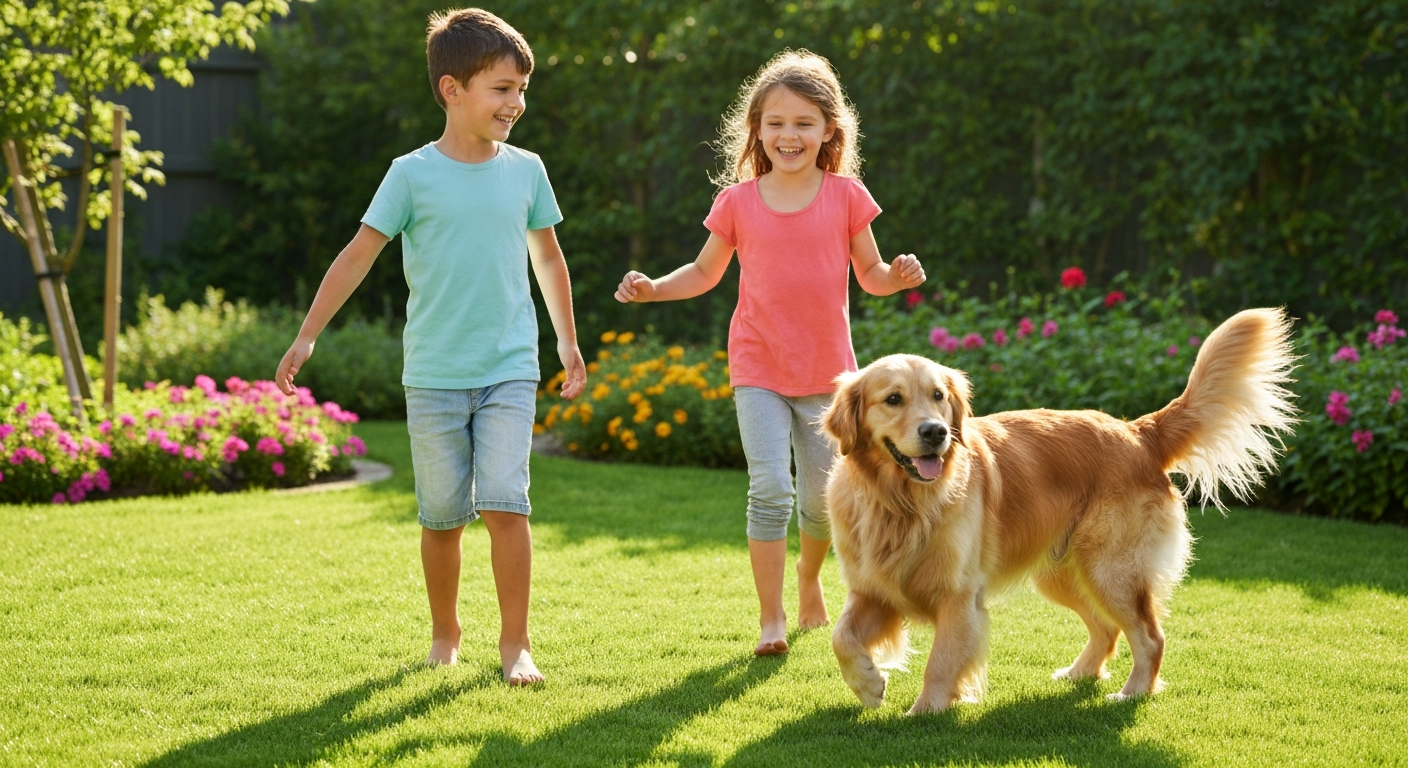
Children are public enemy number one for yard pathogens. They roll in the grass, dig in the dirt, drop their toys, and then immediately put their hands in their mouths. They are far more likely to ingest harmful bacteria or roundworm eggs than adults. Barefoot adults are next on the list; hookworms can actually penetrate bare skin if you step on contaminated soil.
Elderly dog owners and immunocompromised individuals face higher risks because their immune systems can't fight off an E. coli or Salmonella infection as easily. And let's not forget your other pets. Dogs sniff, lick, and explore the yard with their mouths. If one dog has parasites, a dirty yard guarantees the rest of the pack will get them too.
💡 Pro Tip:
Keep a dedicated pair of "yard shoes" by the back door and never wear them inside. It’s the easiest way to stop tracking invisible bacteria from the grass straight onto your living room rug.
How Fast Does It Become a Problem?
You might think you have a grace period before the poop becomes a problem. You don't. The clock starts ticking the moment it hits the grass.
Within the first 24 to 48 hours, bacteria begin to multiply rapidly, especially in warm weather. If it rains, the water acts as a transportation system, carrying bacteria and parasite eggs deep into the soil and across the yard. Once those roundworm or whipworm eggs settle into the dirt, they can remain viable and infectious for years, long after the actual waste has decomposed or washed away.
For multi-dog households, the buildup accumulation is exponential. Two dogs don't just make twice the mess; they create a concentrated hazard zone. If you're waiting for the weekend to do a mass cleanup, you're giving pathogens a full week to sink into the soil where your family plays.
📊 By the Numbers
- ➤
Up to 4 Years: That's how long roundworm eggs can survive in your backyard soil after the waste is gone, waiting for a host.
- ➤
10 Million Tons: The staggering amount of dog waste produced annually by the nearly 90 million pet dogs in the US.
- ➤
23 Million: The number of fecal coliform bacteria found in just a single gram of dog waste, ready to multiply.
How to Keep Your Yard Clean + Safe
Knowing the risks is half the battle; the other half is taking action. You don't have to banish your dog from the yard or pave over your grass. Keeping your outdoor space clean, safe, and stink-free is entirely manageable if you follow a few practical habits.
Consistency is everything. The goal isn't just to remove the visible mess, but to prevent the invisible pathogens from taking root in your soil. Here is your hassle-free blueprint for a healthier backyard.
- 1
Pick up daily, not weekly. The longer waste sits, the deeper the contamination risk—especially with kids or other dogs in the yard.
- 2
Dispose of it properly. Bag it securely and put it in the trash; never compost dog waste or toss it into storm drains.
- 3
Wash those hands. Always wash your hands thoroughly after playing in the yard or handling your dog, even if you didn't touch the waste directly.
- 4
Wipe the paws. Keep pet wipes by the door and quickly wipe your dog's paws before they come inside to stop bacteria from tracking onto your floors.
- 5
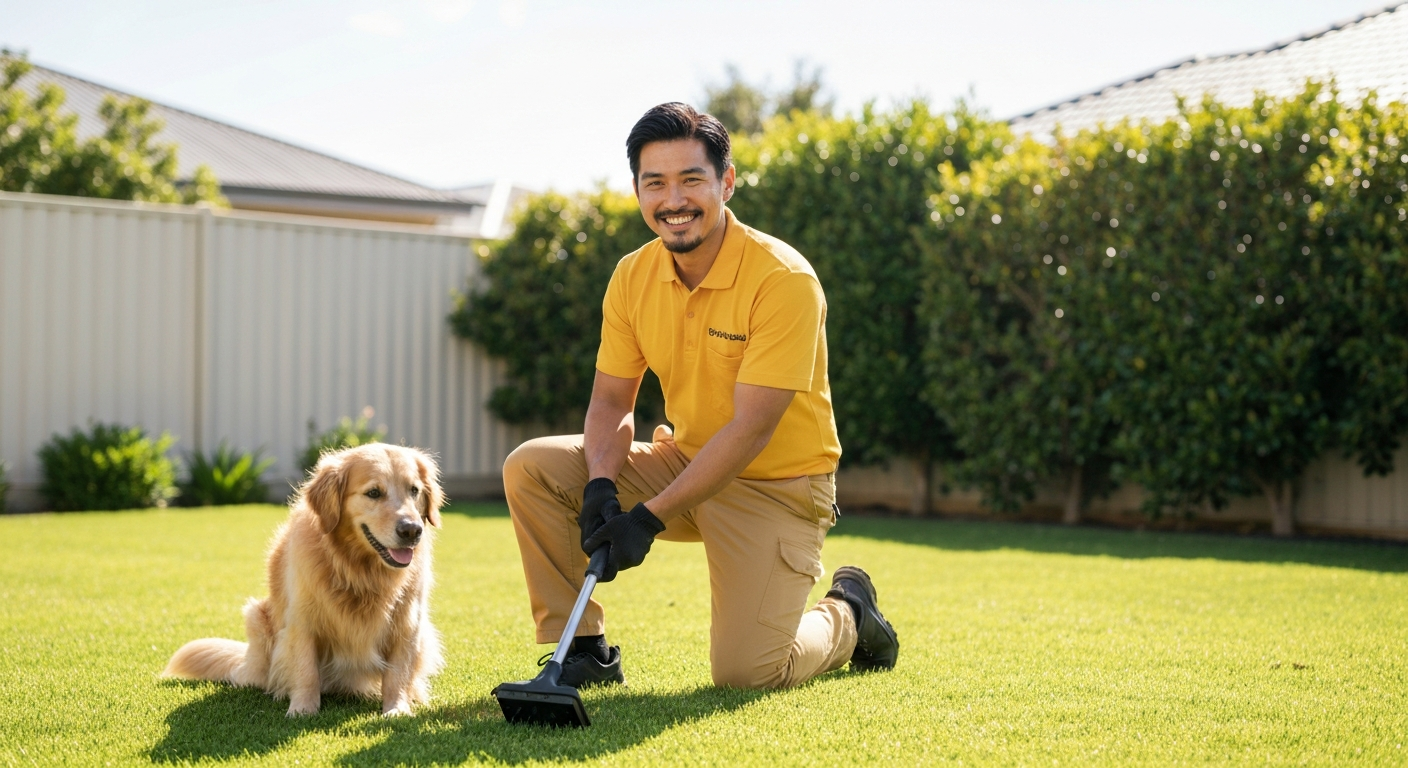
Hire the pros. Let a trusted dog waste removal service handle the dirty work so you can enjoy a spotless yard without lifting a finger.
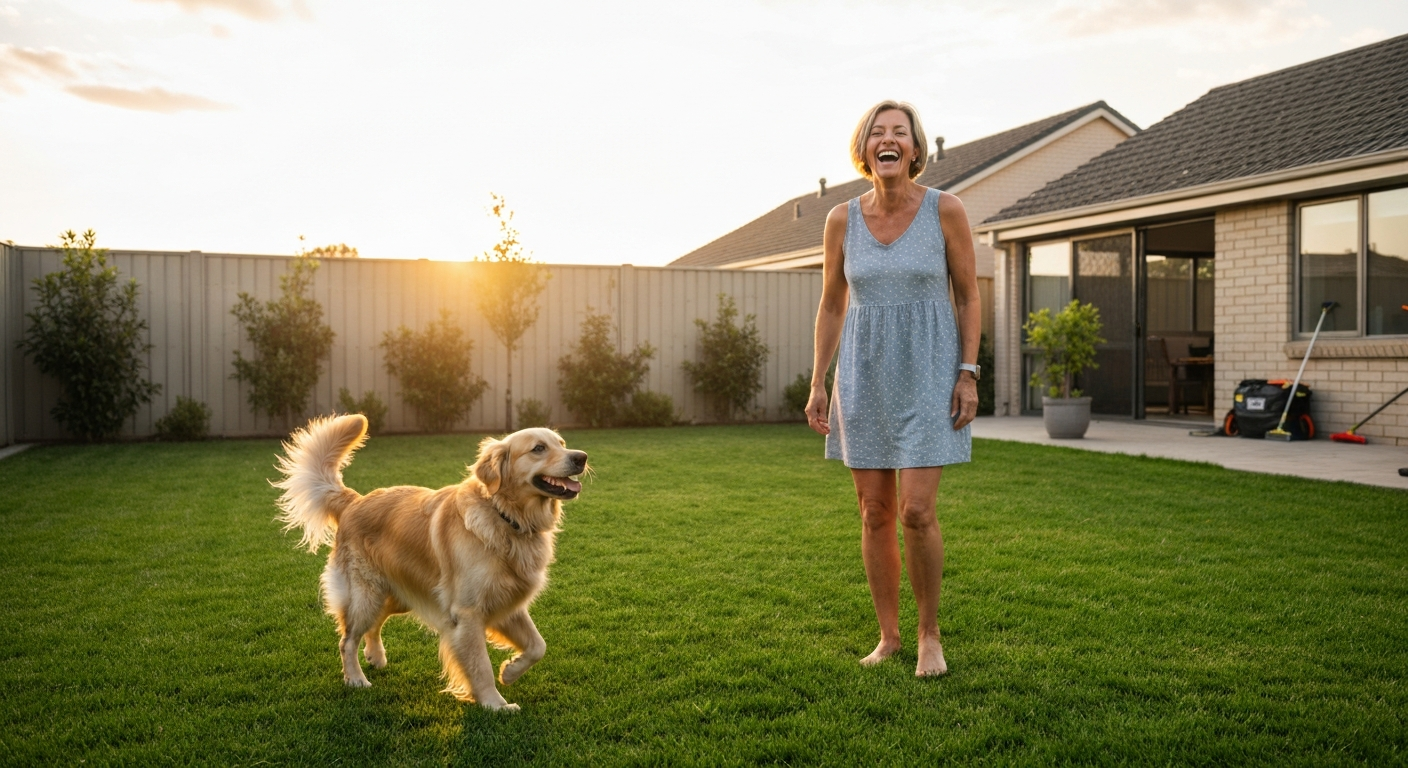
Professional Dog Waste Removal — Keeping Yards Clean + Safe
Your backyard should be a place to relax, not a chore waiting to happen. At Mighty Scoopers, we provide a reliable dog waste removal service for homeowners across Lebanon, GA, and the surrounding areas. We know that life gets busy, and the last thing you want to do after a long day is hunt for landmines in the grass.
Whether you need recurring weekly yard cleanups to keep the mess permanently at bay, or a one-time cleanup before a big backyard barbecue, we've got you covered. We offer customized plans with absolutely no contracts—just clean grass and peace of mind. Our team handles the dirty work discreetly and professionally, ensuring your outdoor space is always ready for play. Ready to reclaim your weekend? Get a quote today and let us handle it.
Conclusion
The health risk of leaving dog waste in your yard is very real. It's not just about the smell or the dead grass; it's about the bacteria and parasites that build up fast and put your family at risk. Regular, consistent removal is the easiest and most effective way to protect your kids, your pets, and your home. You deserve a backyard you can actually enjoy barefoot. Let's keep the poop where it belongs—in the trash, not on your lawn.